Agecko provides food waste management and recycling services for businesses across the UK. As one of the UK’s specialist food waste management companies, we help organisations reduce costs, improve compliance and divert food waste from landfill through tailored collection, recycling and disposal solutions.

What is food waste management?

Food waste management is the process of collecting, handling, recycling and disposing of food waste in a responsible and sustainable way. For businesses, effective food waste management helps reduce disposal costs, improve recycling rates, support compliance and minimise environmental impact.

Whether generated through manufacturing, food production, hospitality, retail or distribution, food waste should be managed separately from general waste wherever possible. This allows valuable organic materials to be recovered through recycling processes such as anaerobic digestion and composting.
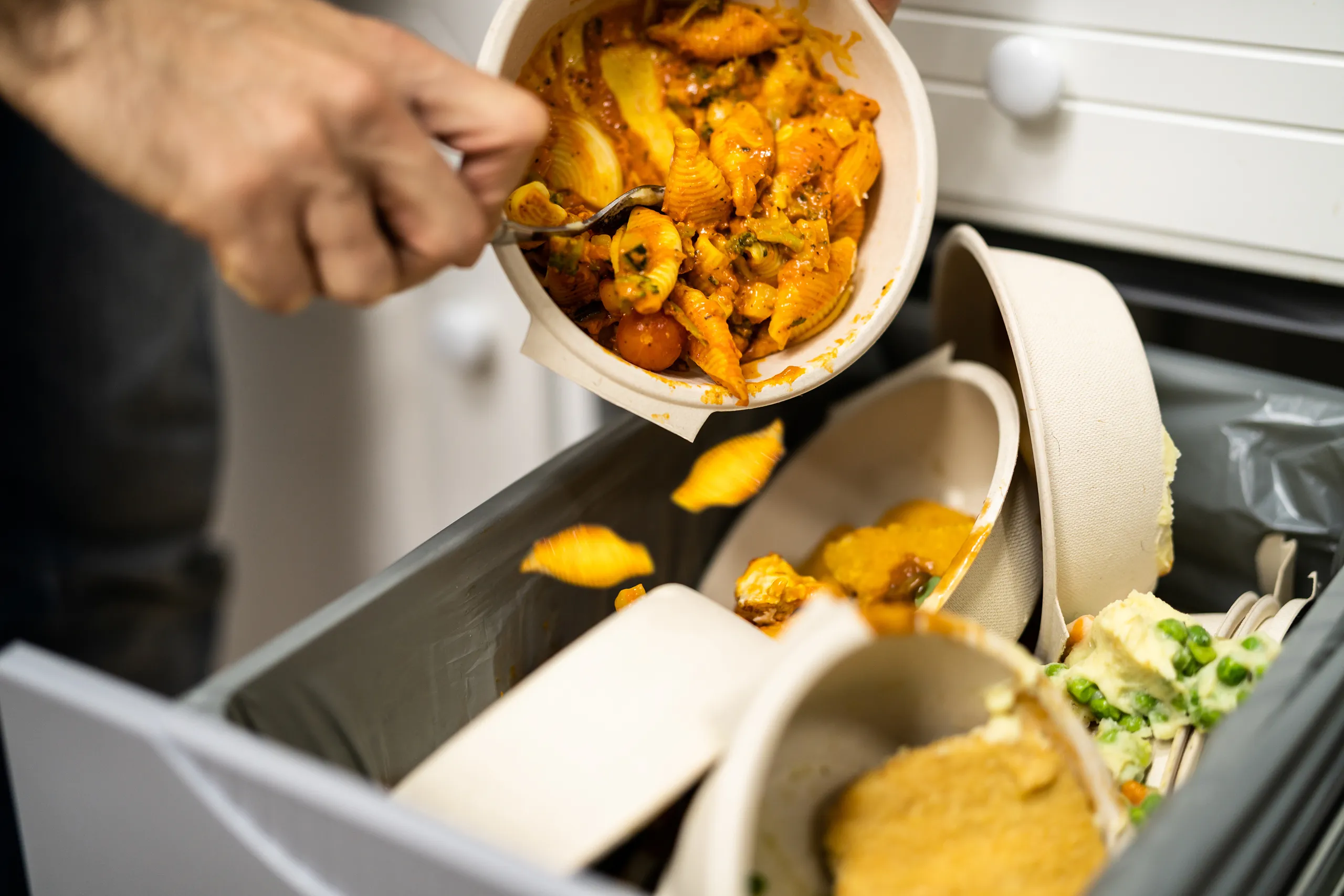
Food waste is produced at each stage of the supply chain, from production to consumption. According to the Food and Agriculture Organisation (FAO), around a third of food produced for human consumption is wasted each year.

Food waste management solutions are evolving to help businesses reduce costs and improve sustainability. Read our food waste management case study to see how their waste management improved, working in partnership Agecko.

If prevention or redistribution of this surplus food or waste food is not achievable, Segregating efficiently is very important. Food waste is wet, dense and heavy and when mixed with other recyclables at the source, it contaminates the entire waste stream.

We can offer cost efficient options for disposal. Depending on your requirements, this may include: sending the waste to Anaerobic Digestion (AD) and recovering renewable energy or disposing of food waste by biomass (burning organic matter to release emissions).

Our food waste collection services are tailored to your business, ensuring compliant handling, efficient collections and reduced disposal costs.

food waste being thrown away

Food waste can be processed through several sustainable recycling methods, including anaerobic digestion and composting. These processes recover value from food waste by producing renewable energy, biofertiliser and other useful resources while reducing reliance on landfill.

Alternatively, food waste can also be processed and re-used as compostable material. A valuable opportunity to divert organic waste away from landfill, creating added value. Depending on the company and food waste volumes, on-site composting can be a cost-efficient option.

  • Reduce food waste management and disposal costs

    Recover value from food waste through more efficient collection and recycling methods.

  • Improve sustainability performance

    Reduce landfill reliance and support environmental objectives across your organisation.

  • Ensure compliance with food waste regulations

    Meet food waste regulations and duty-of-care responsibilities through compliant collection and reporting.

  • Generate renewable energy

    Food waste can be processed through anaerobic digestion to create renewable energy and biofertiliser.

  • Support the circular economy

    Convert food waste into useful resources rather than sending it to landfill.

  • How our food waste recycling service works

    Food waste assessment

    We review your food waste volumes, waste streams and collection requirements.

    Collection and segregation

    Food waste is collected separately from other waste streams to prevent contamination and improve recycling outcomes.

    Recycling and recovery

    Food waste is processed through anaerobic digestion, biomass recovery or composting depending on the material and requirements.

    Reporting and compliance

    Receive documentation and environmental reporting to support compliance and sustainability goals.

    Ongoing optimisation

    We regularly review performance and identify opportunities to improve efficiency and reduce costs.

    Businesses we support

    Our food waste management services are suitable for:

    • Food manufacturers
    • Hospitality businesses
    • Hotels and restaurants
    • Commercial kitchens
    • Retailers and supermarkets
    • Distribution centres
    • Schools and universities
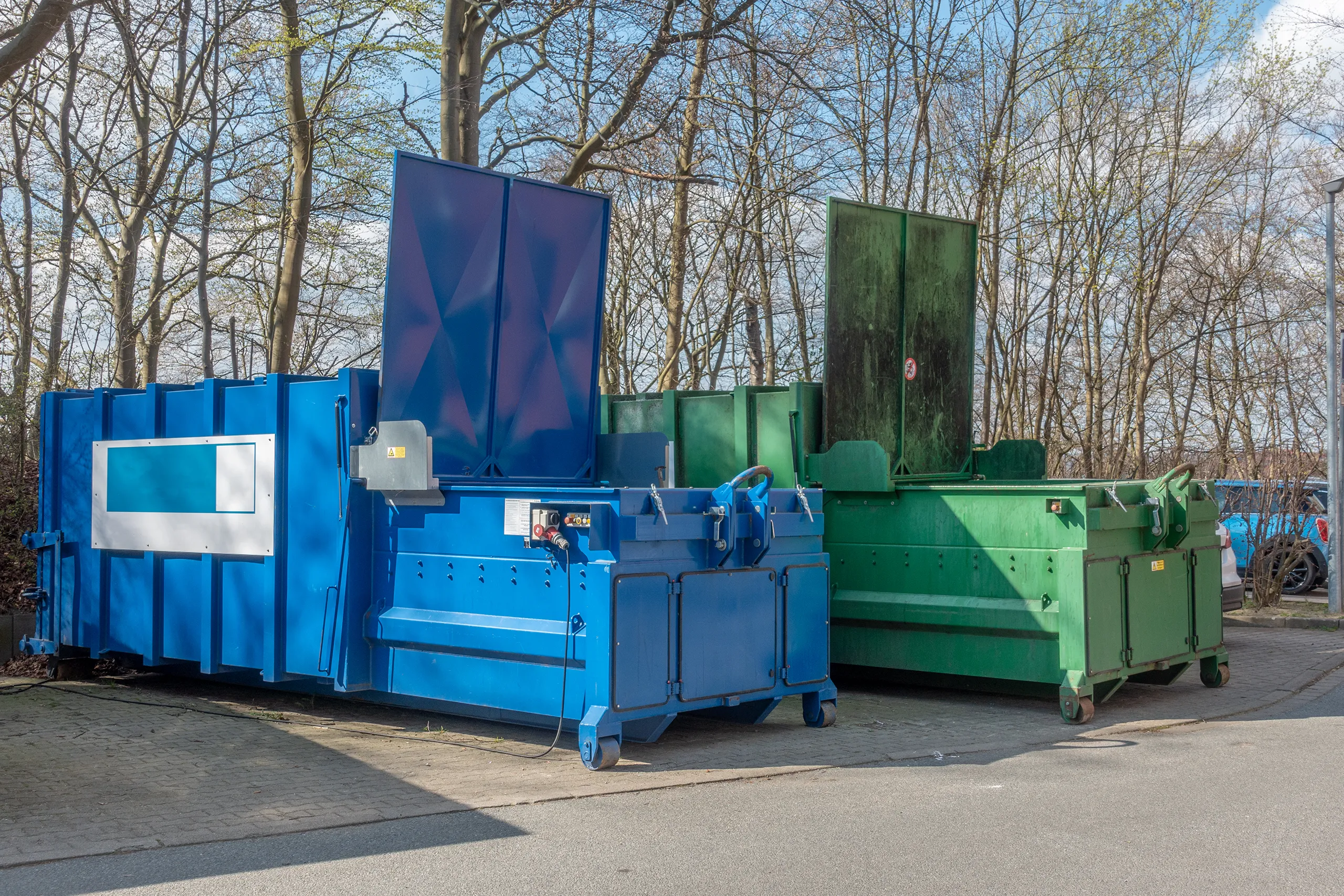
    Agecko compactors and balers

    Let’s discuss your waste management requirements for short or long term rental and collection frequencies.

    Food waste FAQs

    Most food waste can be recycled, including preparation waste, spoiled food, plate waste, out-of-date stock, fruit and vegetables, meat, dairy products and bakery items. The most suitable recycling method will depend on the type and volume of food waste generated by your business.

    Food waste is typically recycled through anaerobic digestion or composting. Anaerobic digestion converts food waste into renewable energy and nutrient-rich digestate, while composting transforms organic material into a valuable soil improver. The chosen method depends on the waste type and recycling facilities available.

    Food waste should be diverted from landfill wherever possible. Sending food waste to landfill can generate harmful greenhouse gas emissions and waste valuable resources. Recycling solutions such as anaerobic digestion and composting provide more sustainable alternatives.

    In many cases, separating food waste from general waste is considered best practice and may be required depending on the type of business and applicable regulations. Separate food waste collections help reduce contamination, improve recycling rates and support compliance requirements.

    Collection frequency depends on the amount of food waste your business generates, storage capacity and hygiene requirements. Collections can range from multiple times per week to less frequent schedules, with tailored services available to suit your operational needs.

    Once collected, food waste is transported to an approved processing facility where it is recycled through methods such as anaerobic digestion or composting. These processes recover value from food waste by producing renewable energy, biofertiliser or compost, helping businesses reduce their environmental impact.

    Commercial food waste is typically collected and processed through anaerobic digestion or composting, depending on the waste type and your business requirements.

    Collection frequency depends on the volume of food waste your business produces, hygiene requirements and available storage space. Agecko can tailor collections to your needs.

    Agecko
    Privacy Overview

    This website uses cookies so that we can provide you with the best user experience possible. Cookie information is stored in your browser and performs functions such as recognising you when you return to our website and helping our team to understand which sections of the website you find most interesting and useful.